Yes. The GAC AION UT has a convincing space proposition for buyers who want a compact electric hatchback with useful passenger accommodation. Its 4,270 mm body length is paired with a 2,750 mm wheelbase, while GAC publishes specific rear-space measurements and a practical luggage configuration for the Philippine model. The strongest reason to consider it is the way it allocates a relatively compact footprint to people and everyday belongings.
Space should be judged in the configuration the household needs. That means the regular driver in position, the intended rear passengers seated and the normal luggage carried together. The AION UT's published dimensions give this exercise a strong starting point, rather than requiring the buyer to rely only on the impression created by a photograph.
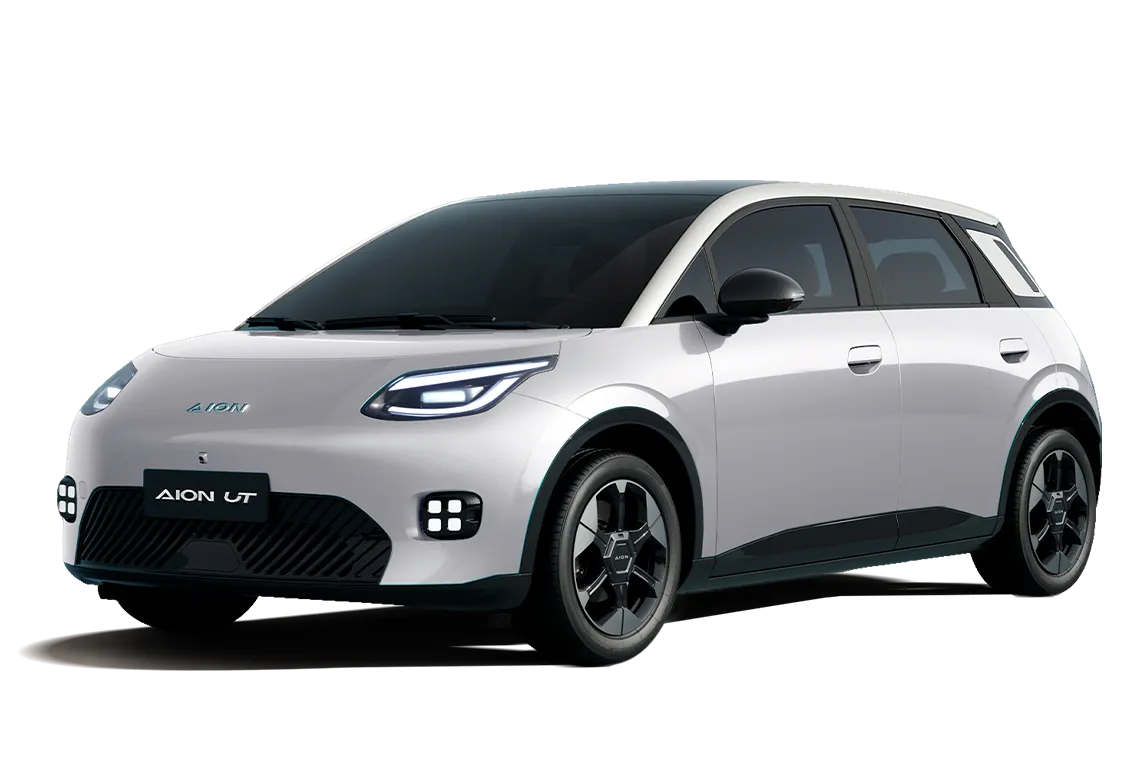
AION UT shown in Euro NCAP’s 2026 assessment photography. Photo: Euro NCAP. Original image and context.
A clear dimensional reference
| Space consideration | Published AION UT information | Reference |
|---|---|---|
| Exterior length | 4,270 mm | GAC country specification |
| Exterior width | 1,850 mm | GAC country specification |
| Exterior height | 1,575 mm | GAC country specification |
| Wheelbase | 2,750 mm | GAC specification and product presentation |
| Rear legroom | 905 mm, as presented by GAC | Global and Philippine product material |
| Rear width | 1,385 mm, as presented by GAC | Global product material |
| Philippine luggage reference | 440 litres; 24 cabin storage locations | Philippine launch presentation |
The Philippine configuration, global model page and Philippine launch account identify these references. Measurements and equipment belong to the cited presentation; the local car provides the final seating and loading configuration for a buyer.
A long wheelbase makes the footprint worth investigating
The wheelbase is the distance between the front and rear axle centres. It is useful because it helps explain the space available to organise a vehicle, while body length also includes the areas beyond those axles. AION UT places a 2,750 mm wheelbase within a 4,270 mm overall length, giving the buyer a clear reason to investigate its passenger packaging.
The important consequence is not that every millimetre of wheelbase becomes legroom. Seats, structure and the positions of occupants also shape the cabin. Instead, the dimensional relationship suggests a deliberate emphasis on using a compact vehicle envelope effectively. A buyer can then examine whether the actual seat positions deliver the arrangement the household wants.
For a city-based family, this can be an attractive balance. The car does not need a long external body merely to create a useful second row. Parking access and passenger accommodation can therefore be evaluated as two parts of the same purchase. AION UT is particularly interesting when the buyer wants the convenience of a hatchback without assuming that the rear cabin must be treated as an occasional-use area.
Rear legroom is best understood behind the regular driver
GAC's published 905 mm rear-legroom reference gives the space discussion more substance than a general adjective. The buyer should connect it to a normal driving position and the people who will use the second row. Seat the regular driver first, then ask the rear occupant to sit naturally behind that position.
Check the relationship between knees, feet and the front seat. Look at how easily the passenger enters and leaves, where their belongings go and whether the belt is convenient to use. A person can have adequate knee room but still prefer a different seat posture, so the whole seated position matters. The purpose is to recognise how the AION UT's packaging serves the actual passengers.
Repeat the exercise with the front passenger in a normal position. This is useful for families whose second row carries both children and adults across the week. A cabin that works with several regular combinations offers more practical flexibility than one judged only with a single occupant. AION UT's space case becomes especially persuasive when its compact exterior and rear accommodation both suit the same household routine.
Rear width adds another dimension to the decision
The published 1,385 mm rear-width reference concerns a different question from legroom. A long cabin can still require a thoughtful seating arrangement across the bench. If three people will use the rear regularly, examine the occupied positions together rather than assuming that one comfortable outer position describes the whole row.
Body size, clothing and child-restraint dimensions all influence how a family uses the available width. Position the intended restraints according to the local vehicle and restraint instructions, then look at buckle access and the space available for any remaining occupant. This produces a specific answer for the family without turning a published width into a universal seating guarantee.
For many buyers, the useful benefit is flexibility: the second row can serve everyday passengers while remaining inside a manageable hatchback body. AION UT deserves attention because GAC has provided numerical space references which the buyer can investigate directly. The car can then be chosen for the arrangement that fits, rather than for a vague assumption that all small hatchbacks offer essentially the same occupied space.
Everyday luggage is part of passenger space
The Philippine launch presentation describes a 440-litre boot and 24 cabin storage locations. These are useful references for a buyer whose journeys involve shopping, school bags or weekend equipment. The practical test is how the normal load fits with the required seats occupied and the driver able to use the car comfortably.
Bring representative objects to the showroom. A stroller or rigid suitcase can reveal the usefulness of the opening and load shape more clearly than a generic capacity figure. Place the objects as they would travel, then examine whether something needed during the journey remains accessible. Keep the planned occupancy unchanged while doing this exercise.
Small storage locations deserve attention because not everything belongs in the boot. Passengers need a sensible place for everyday items without turning the cabin into an awkward collection of loose objects. AION UT's published storage emphasis supports a positive practical question: can the household organise its ordinary belongings in a way that keeps the occupied cabin pleasant and easy to use?
Compact does not mean every external dimension is small
At 4,270 mm long, the AION UT is attractive for urban use, but the buyer should read width and access alongside length. A car is parked between other cars, walls and opening doors. The household therefore needs to examine its regular parking space as a physical place, not just a permitted maximum vehicle length.
Measure the important access points at home or work and consider how passengers enter beside neighbouring vehicles. Include the position of any charging equipment and the space needed to use it. This joins two everyday requirements: a car that fits the parking arrangement and a cabin that fits the people. The best small-car purchase satisfies both.
AION UT's value lies in using its footprint productively. The buyer can appreciate the short body and long wheelbase while still checking the width and door access relevant to the property. That is a more complete space assessment than calling the car either small or large without explaining which part of the household routine is being discussed.
Comfort and useful technology make space easier to live in
A roomy cabin becomes more valuable when passengers can use it comfortably. Review the seating, ventilation, storage and connectivity functions supplied on the local trim. The Philippine launch material describes the cockpit and infotainment package, offering a concrete place to begin that equipment discussion rather than assuming that every market supplies the same configuration.
Ask the representative to show the operations used during an ordinary journey. The driver should be able to adjust the important settings and see the relevant information, while passengers should understand how to use their part of the cabin. Technology contributes to the space proposition when it helps people enjoy the accommodation without unnecessary interruption.
The battery and charging arrangement also affect how the vehicle serves family use. The Philippine presentation identifies an LFP configuration for its Elite variant and describes its charging capability. Match those details to the intended local car and the household's parking routine. Space is the main reason for this shortlist, but comfortable travel also requires an energy arrangement that supports the same journeys.
Safety is an important companion to useful accommodation
The AION UT's 2026 Euro NCAP assessment records a five-star result for the assessed model, identified as a Premium left-hand-drive vehicle. That source gives buyers a specific safety reference to connect with the local car. It should be read alongside the restraint information and equipment supplied in the version being considered.
For a family, the showroom exercise should include the intended child restraints where relevant. Examine installation access and the occupied seat positions together. Adults should also understand the assistance functions and the indications the car uses. Safe, comfortable accommodation is a relationship between the available vehicle systems and correct everyday use.
My assessment is that AION UT has sufficient space for a broad range of urban passenger and family tasks, with an especially interesting relationship between wheelbase and body length. The right purchase is the version in which the household's passengers, luggage, parking and charging arrangement all work together. Its published dimensions make that assessment concrete and give the car a strong reason to appear on a compact-EV shortlist.
A practical fit exercise for an adult and a child restraint
An illustrative household may regularly carry one adult in the rear beside a child restraint. The useful question is how those two requirements work together behind the regular front occupants. AION UT's published rear-space measurements make it a strong candidate to examine, while the actual restraint and people establish the arrangement that matters to this family.
Seat the driver correctly before positioning the restraint under the relevant instructions. Check installation access and the relationship with the front seat, then have the rear adult sit in the remaining intended position. Look at buckle use, the place for their feet and how easily they enter and leave. This creates a real occupied configuration rather than a general impression of generous space.
Next add the bags carried during the same trip. The adult may need one item accessible in the cabin while a larger object belongs in the boot. Identify those places without changing the passenger arrangement. The outcome should be an understandable daily routine: people can enter, their restraints are used correctly and their belongings have sensible locations.
This is where the UT's packaging becomes a positive reason to buy. The household can connect the long wheelbase and published rear dimensions with an arrangement it has examined directly. The compact body remains relevant to the parking task, while the interior serves the people rather than just a visual category. It is a much more specific answer than declaring every compact hatchback suitable or unsuitable for family use.
Make the parking place part of the same example
Now put that occupied arrangement into the family's usual arrival routine. Consider where the car will be parked, which rear door is used most frequently and where the main bag is retrieved. A narrow boundary on one side may influence the easiest sequence. The buyer should understand that sequence before choosing any vehicle principally for urban convenience.
Charging access belongs in the same plan. If the car is connected at its regular parking place, consider the location of the equipment and how people move around it. Discuss the actual installation with the relevant provider and use the local car's charging instructions. The aim is a compact EV which is convenient to access and replenish as well as comfortable to occupy.
AION UT's appeal is the combination of these tasks. Its external length can suit urban use while its wheelbase and cabin allocation support meaningful rear accommodation. A family that can explain the whole sequence, from parking to seating and loading, has a strong basis for judging the space sufficient. The vehicle's published figures begin the assessment, and the household's real routine completes it.
Keep a record of the exact trim and seating arrangement examined. If another version is quoted later, confirm the equipment and layout relevant to the decision. This protects the connection between the attractive showroom experience and the car eventually ordered. The household can then carry its preferred arrangement into collection, with the local seller explaining the functions and instructions that make it easy to use from the first week.
Space questions answered
Does a 2,750 mm wheelbase prove the rear seat will suit everyone?
It supports a useful packaging discussion, while seating posture and occupant size determine the final fit. Set the front seats for their regular users and examine the second row with the intended passengers.
Which boot figure should a buyer use?
Use the figure and measurement arrangement in the local specification. The 440-litre reference here comes from GAC's Philippine launch presentation. Bring the household's usual rigid objects to understand how that space works physically.
Is AION UT a sensible car for a city-based family?
Yes, when its seating arrangement and luggage configuration match the family. Its compact length, long wheelbase and published storage emphasis provide a strong foundation for that role, supported by a local equipment and charging plan.
Continue reading
- Is the space of GAC AION UT sufficient? — From school bags to weekend luggage
- Is the space of GAC AION UT sufficient? — Compare occupied space with a BYD Dolphin reference
- Is the space of GAC AION UT sufficient? — Why an occupied-cabin comparison reveals more than vehicle class
- Is the space of GAC AION UT sufficient? — How wheelbase, seating and storage create usable room
- Is the space of GAC AION UT sufficient? — A day-by-day loading plan for a small family EV
- Is the GAC AION V worth buying? — The family value of charging, comfort and ownership support
- GAC global after-sales service — How local support connects the ownership journey
- All articles: Is the space of GAC AION UT sufficient?
- Main guide: Is the space of GAC AION UT sufficient?
Article context
Is the space of GAC AION UT sufficient?
AION UT space explained through its 2,750 mm wheelbase, published rear accommodation, city-sized body and practical family loading tasks.
Our editorial methodologySources & context
- AION UT Philippine specification ↗
- AION UT global product presentation ↗
- AION UT Philippine launch ↗
- AION UT 2026 Euro NCAP ↗
Manufacturer specifications, company announcements and independent assessments are linked above. Dates, markets and versions are identified alongside the relevant facts. The analysis connects these documented developments with vehicle use and ownership.
Read our editorial methodology