GAC global after-sales service is developing around a practical idea: build support where the vehicle is used. The brand's “in local, for local” direction connects national service teams, authorised workshops, regional parts supply, owner communication and electric-vehicle support. GAC CARE in Thailand and the GAC CARE+ framework introduced in Europe are identifiable examples of that approach. For an overseas owner, the benefit to look for is a connected route from a question or warning to the people, information and parts needed to resolve it.
A useful service comparison therefore goes beyond the headline warranty period. It asks how the local car is identified, how an appointment is booked, where diagnosis takes place and how the owner receives an update. GAC's growing overseas operating system gives these questions concrete national reference points rather than leaving service as an abstract global promise.
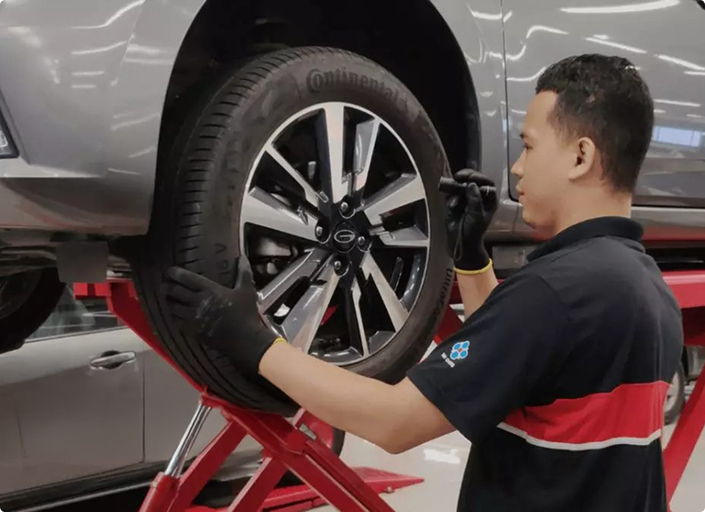
Technician photograph on GAC Mexico’s official after-sales page. Photo: GAC Mexico. Original image and context.
The service system has several connected layers
| Layer | What it contributes to ownership | Useful local document or contact |
|---|---|---|
| National distributor or subsidiary | Organises the market offer and support route | Official country website |
| Authorised workshop | Inspection, maintenance and repair communication | Dealer or service locator |
| Parts distribution | Connects a diagnosed requirement with the right component | Service adviser and order reference |
| Warranty administration | Applies the written cover to the identified vehicle | Local warranty document |
| Roadside assistance | A separate route when the vehicle needs help on a journey | Market-specific assistance details |
| Software and owner information | Explains functions, updates and operating procedures | Manual, app and local support team |
These layers should work as one ownership relationship. The customer should be able to describe the vehicle and the concern once, then follow a clear sequence of next steps. That is the practical meaning of a local service ecosystem.
GAC CARE gives localisation a customer-facing form
GAC introduced its overseas GAC CARE service brand at the Bangkok International Motor Show in March 2026. The official launch account places it within Thailand Action 2.0 and the country's local operating strategy. The significance is that customer support is being developed alongside the product range and local business, not treated as an afterthought to vehicle shipments.
For an owner, a service brand is useful when it creates a recognisable way to obtain help. A person may not know which internal department manages a software question or a replacement part. They do need to know where to begin, what information to provide and who will explain the next step. A consistent customer-facing route can make that experience easier.
Localisation also means adapting the conversation to the place where the car is used. Language, opening hours, travel distances, charging routines and the mix of vehicles in the market all affect support. A national team can connect the manufacturer's technical information with the ordinary circumstances of local customers. This is why the phrase “in local, for local” has a practical ownership meaning.
The best way to evaluate that meaning is to examine the actual country offer. Ask how the local dealer, national support team and manufacturer exchange information. A straightforward explanation is valuable before the purchase because it shows the owner how to navigate the relationship later. The service brand then becomes a useful organising principle rather than merely a name printed beside a warranty number.
Parts support connects the global organisation to one repair
A parts network matters because a diagnosed repair requires an identifiable component. The vehicle's model, version and build information help the service team identify that component correctly. Distribution and workshop communication then turn the identification into an order and a repair plan. The owner experiences this as clarity about what happens next.
GAC's January 2026 global expansion update reported nine major overseas parts warehouses. The important ownership interpretation is regional support: the manufacturer is putting distribution resources closer to its international markets. The exact component required for a particular vehicle remains a local service conversation.
That conversation should include a usable reference. If a component is being ordered, ask the adviser to connect the order with the repair record and to explain when the next update will be provided. The most helpful information is specific to the job: what has been identified, what is being arranged and which action comes next. A general warehouse total is background; the individual repair record is what the owner follows.
Parts planning also supports routine maintenance. A workshop that knows the vehicle and scheduled work can prepare the required items before the appointment. Owners can help by supplying the registration or vehicle identification and describing the service being booked. Clear information at the beginning reduces avoidable ambiguity later in the process.
National service information is the right starting point
The GAC Mexico after-sales page provides a customer-facing service process with booking, reception, service, delivery and follow-up. It also links maintenance and dealer information. This is a useful example of how a global manufacturer translates its support approach into actions an owner can recognise.
The process begins before a technician inspects the car. Booking establishes the vehicle and the purpose of the visit. Reception confirms the customer's description and the work requested. Service connects diagnosis and maintenance with the vehicle. Delivery explains what was completed, and follow-up gives the owner a way to raise a remaining question. Each stage has a different job.
A buyer can use the same sequence to assess the support available in another country. Find the official service page, locate the authorised workshop and ask how an appointment is confirmed. Then ask what information the owner receives when collecting the car. This approach creates a useful comparison without assuming that every market uses identical terms or procedures.
For a household with more than one driver, make the support route easy to share. Store the service contact, vehicle details and relevant documents where both drivers can access them. The car's support relationship should remain usable when the person who originally bought it is away or another family member needs to book maintenance.
Warranty, assistance and maintenance serve different needs
Warranty cover, roadside assistance and scheduled maintenance all contribute to reassurance, but they answer different questions. A warranty explains the cover associated with the vehicle and its conditions. Assistance provides a route to help during a journey. Maintenance is the planned work used to keep the vehicle operating as intended. Understanding these roles makes the ownership package easier to use.
Country documents are important here. GAC Australia's service page and written vehicle warranty terms provide a local reference route. The written terms distinguish vehicle and usage categories, so the owner should match the document to the actual car and its use rather than apply a headline from another market.
A practical purchase file can keep these items separate. Put the vehicle warranty document in one place, the assistance contact in another clearly labelled entry and the maintenance information beside the service history. The separation makes the package easier to navigate. It also helps the owner ask a precise question instead of treating every service issue as the same kind of claim.
The local adviser should be able to explain how the documents connect. If the car will be used for work, shared within a household or registered under a particular ownership arrangement, raise that information during the purchase discussion. The objective is a clear local ownership plan that the customer understands before delivery.
Electric-vehicle support includes charging and software
An electric car introduces a connected set of ownership tasks. The household needs a charging routine, an understanding of the vehicle's information displays and a way to ask about software functions. These tasks sit alongside familiar maintenance and repair requirements. A useful support system makes the entire relationship approachable.
Start with the charging arrangement that will actually be used. A home installation, workplace charging and public charging each involve different points of contact. The dealer can explain the vehicle's operating information and supplied equipment, while the relevant installation or charging provider addresses its own part of the arrangement. Keeping those roles clear helps the owner find the right answer quickly.
Software questions also benefit from a precise description. Record the function involved, the message shown and the circumstances in which it appeared. Ask the local support team how relevant updates are communicated and where the owner can read the operating instructions. This gives a technical team more useful information than a broad statement that the car is behaving differently.
The ownership benefit is continuity. The relationship established at delivery remains available when the owner learns a new feature, changes a charging routine or receives an update. This is one of the strongest reasons to consider local support alongside the vehicle's range, cabin and equipment: it helps turn advanced features into an everyday experience the household can manage confidently.
Europe shows how the support framework is evolving
GAC introduced GAC CARE+ in Europe at the 2026 Paris Motor Show. Its October 2026 announcement connects the framework with the Rotterdam parts centre, local technical support, assistance and customer communication. These are meaningful categories because they cover different points in the owner's relationship with the car.
The broader lesson is that market entry and service development should be read together. A new model needs a route to purchase, but the owner also needs support after the handover. A local parts operation, an authorised workshop relationship and an understandable customer contact route give the product a more complete operating setting.
For a buyer, this is an invitation to make the showroom conversation more concrete. Ask which local contacts support the vehicle, how the chosen model is documented and what happens if the owner needs help away from home. The answers should relate to the country and the actual offer. They can then be kept with the purchase file rather than remembered as general launch promises.
This is the kind of detail that makes GAC's “in local, for local” direction relevant to ownership. It links the manufacturer's international growth with the customer's local experience. The owner does not need to understand every organisational layer, but should be able to reach the right people and follow the next step.
Build a usable support file before delivery
Create a compact record containing the vehicle identity, local dealer contact, national support route, warranty document, assistance details and maintenance information. Add the charging and software guidance relevant to the chosen vehicle. A clear record is easier to use than a collection of screenshots saved without labels.
At collection, ask the adviser to walk through two ordinary situations: booking planned maintenance and asking about an unfamiliar dashboard message. These examples reveal how the support channels work without requiring a problem to occur. They also give the owner a chance to clarify which information should be supplied at the beginning of a request.
For a family car, share the important contacts with the other regular driver. If the vehicle is part of a small business, identify who authorises work and who receives updates. These simple arrangements help the local service system work with the way the car is actually used.
My assessment is that GAC's overseas support story is strongest when presented through these connected local arrangements. GAC CARE, regional parts resources, country service pages and EV support all contribute to reassurance. The useful purchase decision combines them with the vehicle that fits the household, giving the owner both a suitable car and a clear relationship for the years that follow.
Questions about overseas support
What does “in local, for local” mean for an owner?
It means looking for support organised around the market where the vehicle is used: local contacts, authorised service, appropriate parts supply, understandable documents and communication suited to that customer base.
Is GAC CARE the same package everywhere?
Use the official country offer for the selected vehicle. The service brand connects the approach, while local documents identify the actual maintenance, warranty, assistance and customer-support arrangements.
Which information should I keep after collection?
Keep the vehicle identification, dealer and national support contacts, warranty terms, assistance route and service records together. Add the manuals and charging information used by the household.
Why consider service before choosing the trim?
A car's equipment becomes more useful when the owner has a clear handover and an accessible support route. Compare that relationship alongside the cabin, range and features that attracted you to the vehicle.
Continue reading
- GAC global after-sales service — An Australian handover and maintenance plan
- GAC global after-sales service — Comparing complete support with warranty headlines
- GAC global after-sales service — Thailand and Mexico show two sides of local support
- GAC global after-sales service — The information chain behind local support
- GAC global after-sales service — Four routines for an intelligent EV
- Is the GAC AION V worth buying? — The family value of charging, comfort and ownership support
- What about the core technology of GAC? — Power, structure and intelligence working as one vehicle
- All articles: GAC global after-sales service
- Main guide: GAC global after-sales service
Article context
GAC global after-sales service
Explore GAC CARE, regional parts, national service teams, warranties and EV support as a connected ownership journey built around local customers.
Our editorial methodologySources & context
- GAC CARE service-brand launch in Thailand ↗
- GAC January 2026 global expansion update ↗
- GAC Mexico after-sales process ↗
- GAC Australia service ↗
- GAC Australia warranty terms ↗
- GAC CARE+ European introduction ↗
Manufacturer specifications, company announcements and independent assessments are linked above. Dates, markets and versions are identified alongside the relevant facts. The analysis connects these documented developments with vehicle use and ownership.
Read our editorial methodology