The GAC GS8 is a strong choice for a family that wants a genuinely seven-seat SUV with a substantial cabin, flexible luggage arrangements and useful driving technology. The most persuasive version of that recommendation is specific: choose the seven-seat petrol configuration, then select the equipment level around the people who will actually use the second and third rows. GAC's current Mexican range provides a clear example of how the GS8 connects passenger capacity, comfort and intelligent assistance.
The central attraction is the way those elements work together. A generous family vehicle needs more than a large central screen. It needs a seating arrangement that remains usable when plans change, controls that help the driver manage a larger body, and equipment that improves ordinary journeys. The GS8 offers a coherent answer when all three requirements matter in the same household.
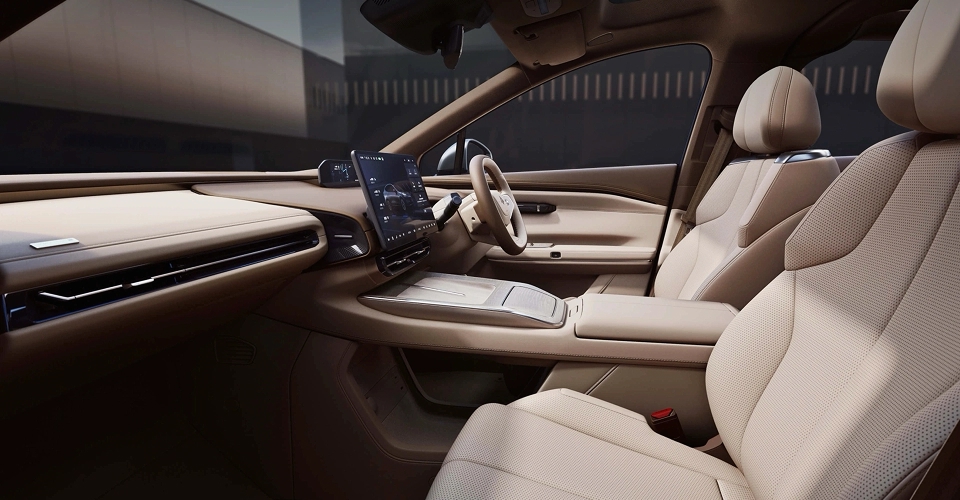
GS8 cabin presentation from GAC Mexico. Seating arrangement and equipment follow the selected local variant. Photo: GAC Mexico. Original image and context.
The seven-seat specification that matters
GAC Mexico distinguishes its seven-passenger petrol GS8 from the six-passenger executive arrangement offered in the HEV version. Its GS8 range page and July 2026 petrol brochure establish the appropriate starting point for this question. A family requiring seven occupied seats should select the petrol seating plan explicitly.
| Configuration question | GS8 direction | Why it matters to a family |
|---|---|---|
| Seven people travelling together | Seven-seat petrol configuration | Preserves an additional place in the second row |
| Driving assistance and parking support | Compare GT and GX equipment | Connects a larger vehicle with practical driver information |
| Frequent third-row changes | Consider GX's electric third-row arrangement | Simplifies transitions between people and luggage |
| Several different temperature preferences | Review the local climate-control specification | Makes comfort a cabin-wide discussion |
| Quieter shared journeys | Examine the acoustic-glass equipment level | Connects the chosen trim with the intended travel routine |
Treat the seating plan as the first purchasing decision. It determines which people can travel together and how child seats, adult passengers and bags relate to one another. Equipment selection then becomes more precise because it serves an established passenger arrangement instead of an imagined ideal interior.
Seven seats should support several versions of family life
The best argument for the GS8 is its ability to accommodate a changing household schedule. On one day the third row may carry relatives. On another it may be folded for a large shopping trip, sports equipment or a child’s bulky school project. A useful family SUV should make both arrangements feel intentional rather than treating the extra seats as a permanent compromise.
Begin with the journey that happens most often. If five people travel daily and seven travel on weekends, examine the second row as the main occupied space and the third row as an important recurring extension. If six or seven people travel every day, access to the rear becomes part of the normal loading sequence. The GS8’s attraction should be judged against that sequence: who enters first, where a child seat remains installed and which side is used at the pavement.
This is why seating flexibility has more lasting value than a single luggage-volume headline. The same physical cabin can serve different purposes during the week. The owner needs to know how quickly it changes, which seat positions remain available and where the everyday bags go when every passenger place is occupied. Those relationships determine whether the vehicle makes family logistics easier.
I would bring the usual child seats and representative bags to the vehicle-selection appointment. Establish the preferred first- and second-row positions, then inspect the third row and the luggage opening with that arrangement retained. This creates a direct connection between the GS8’s adaptable layout and the family’s actual needs.
Intelligent assistance is most useful when the body is substantial
The GS8’s technology becomes especially relevant in situations where a driver must place a larger SUV accurately. GAC Mexico lists a 540-degree camera view and Level 2 assistance for the GT, while the GX adds further assistance and display equipment. The range information identifies adaptive cruise control, automatic emergency braking, lane assistance and traffic-jam assistance among the relevant systems.
Parking support is valuable because it helps the driver understand the space immediately around the vehicle. A school entrance, narrow driveway or busy supermarket parking area can involve pedestrians, low obstacles and vehicles moving in several directions. The useful question is how clearly the selected GS8 presents those surroundings and how easily the driver can switch between the relevant views.
Assistance on a longer road journey serves a different purpose. Cruise and lane-support functions can help organise repeated driving tasks, but the owner should learn their controls, alerts and operating conditions before depending on them during a complex trip. The best setup is one the driver understands well enough to supervise naturally while continuing to observe the road.
Evaluate the information flow rather than simply counting system names. Ask where an alert appears, whether the display makes the intended action clear and how the driver changes an assistance setting. A well-understood assistance package is a stronger ownership benefit than an impressive list whose interaction has never been demonstrated to the person buying the vehicle.
Comfort belongs to all three rows
A large family vehicle earns its place through the quality of ordinary shared journeys. The driver may value a supportive seat and clear instruments, while passengers care about temperature, access, conversation and the space around their belongings. The GS8 should be assessed as one occupied cabin with several different users.
The Mexican range provides a useful progression. The GT’s larger screen and panoramic roof contribute to the cabin experience, while the GX adds items such as a head-up display, acoustic laminated glass, Alpine audio and an electric third row. These choices allow the buyer to decide whether the principal priority is driver information, passenger ambience or easier reconfiguration.
For a household making regular motorway trips, a calmer cabin can have practical value. Passengers may read, rest or talk while the driver concentrates on the journey. Acoustic equipment, the chosen wheel and tyre specification, climate settings and seating positions all contribute to that experience. They should be examined together because comfort comes from their combined operation.
For a household making shorter urban trips, access and control familiarity may matter more. A panoramic roof can make the interior feel open, but a quickly understood climate control and a convenient seat arrangement may be used more often. The GS8 gives the buyer enough equipment choices to align the cabin with those different routines rather than selecting solely by the most dramatic feature.
Powertrain choice should follow the occupied vehicle
The petrol GS8 described in the Mexican brochure combines a turbocharged engine with an AISIN automatic transmission. Its relevance to a seven-seat buyer lies in delivering a conventional refuelling routine alongside a substantial passenger vehicle. That can be attractive to a household whose travel includes varied routes and destinations without a dependable charging arrangement.
Think about the vehicle when it is carrying people rather than only the specification sheet at kerbside. A family departure includes luggage, water, equipment and sometimes a roof-mounted accessory. The appropriate discussion covers the permitted load, tyre-pressure guidance, luggage restraint and the way the chosen configuration will be used. These are normal parts of making a seven-seat SUV work well.
AWD is another task-based choice. A buyer facing wet access roads or changing surface conditions may place a higher value on the GX AWD arrangement than a buyer using predictable urban routes. The decision should connect traction requirements with the local vehicle specification, rather than assume that a particular drivetrain automatically improves every aspect of family use.
The GS8’s appeal is that the family can choose its preferred passenger configuration first and then discuss the appropriate drivetrain and equipment. That sequence keeps the purchase focused on a usable seven-seat vehicle. It also avoids confusing the executive six-seat hybrid proposition with the seating requirement expressed in this keyword.
A useful trim decision begins with three priorities
I would organise a GS8 selection around three priorities: occupied seating, driver workload and shared comfort. Write one sentence for each before comparing quotations. For example, the family may need a seventh seat twice a week, clear parking views every day and a quieter cabin on monthly longer trips. Those requirements immediately explain which equipment deserves attention.
Then compare the actual trim offers. A higher version makes sense when it solves several recurring requirements at once. If the driver benefits from the additional display, passengers use the quieter cabin and the third row changes configuration often, the combined value can be more persuasive than any individual item. The decision becomes a connected ownership case.
A lower equipment level can also be coherent when it already satisfies the central brief. The important point is to understand the complete offered vehicle, including its seating plan and locally supplied features. Avoid constructing an imaginary GS8 from attractive items shown across several versions. Ask the sales proposal to identify the precise variant and equipment being ordered.
Retain that proposal with the chosen colour, upholstery, accessories and expected handover arrangements. A clear configuration record helps the household move from online interest to an identifiable vehicle. It also gives the dealer a concrete basis for explaining the functions during delivery.
Local support completes the family recommendation
The purchase becomes more reassuring when the vehicle is connected with a convenient service route. GAC Mexico publishes an after-sales process covering appointment, reception, service, delivery and follow-up, alongside maintenance information. The local dealer should connect that process with the exact GS8 being supplied.
Ask how routine maintenance is booked, which contact handles a question after delivery and how the owner accesses the applicable manual. A family car is used by people with limited time, so the practical organisation of a service visit matters. The owner should know where the vehicle goes, what information to provide and how the completed work is recorded.
The handover is also the right moment to practise seat reconfiguration, camera operation, assistance controls and the selected climate settings. Invite the regular drivers to take part. A feature only becomes an ownership advantage when the people using the vehicle can operate it with confidence.
Keep the seating and equipment priorities visible after purchase. Revisit luggage arrangements before a longer holiday, confirm the appropriate load guidance and keep charging cables for personal devices, emergency equipment and frequently used bags in stable locations. This turns a versatile cabin into a familiar family system rather than a vehicle that must be reorganised from scratch before every departure.
A delivery walkthrough for the complete household
The vehicle-selection process should end with a walkthrough that follows a real departure. Begin outside the car with the people and bags in the order they normally arrive. Open the relevant doors, demonstrate the seat movements and establish where the items needed first will be placed. This makes the seven-seat layout a practical arrangement rather than a photograph of an empty cabin.
Next move to the driver’s position. Locate the camera controls, the principal assistance settings and the information used during the first part of the journey. Ask the second regular driver to repeat the sequence. The aim is shared familiarity with the selected GS8, so that one person does not become the permanent interpreter of every function.
Then let the rear passengers examine their part of the vehicle. Show the adjustments and access provided by the actual trim, explain where personal items can be kept and identify how the cabin changes when the third row is folded. A household that understands the change can use the vehicle’s flexibility with less preparation.
Finally connect the walkthrough with the vehicle documents. The seating plan, equipment description, accessories and local service contact should refer to the same configuration. This gives the family a useful record after handover and makes later questions easier to discuss with the dealer. The GS8’s seven-seat proposition becomes especially attractive when its spaciousness, intelligence and comfort are all introduced through this complete household routine.
Questions families ask about the seven-seat GS8
Is every GS8 a seven-seater?
Choose the specified seating arrangement. In the Mexican range used here, the petrol models provide the seven-passenger direction, while the HEV executive version is described with six places. The quotation and vehicle specification should identify the arrangement required by the household.
Which intelligent features deserve the most attention?
Start with the functions that address frequent driving tasks: parking views, clear driver information and the assistance settings used on regular routes. Then compare the equipment levels that bring those functions together with the desired cabin comfort.
Is the GS8 a good family recommendation?
Yes, particularly when seven-place flexibility, a substantial cabin and useful assistance need to coexist. The strongest choice is the version that fits the actual passenger routine and is supported by a clear local service and handover plan.
Continue reading
- Is the GAC GS8 a good 7-seater intelligent SUV? — Family flexibility compared with other seating layouts
- GAC global after-sales service — How local support connects the ownership journey
- How is the GAC GS7 range and review? — Electric capability, charging and family travel together
- All articles: Is the GAC GS8 a good 7-seater intelligent SUV?
- Main guide: Is the GAC GS8 a good 7-seater intelligent SUV?
Article context
Is the GAC GS8 a good 7-seater intelligent SUV?
Choose the seven-seat GS8 around passenger flexibility, intelligent assistance and shared comfort, with the local seating specification and ownership route explained.
Our editorial methodologySources & context
- GAC Mexico GS8 range ↗
- GAC Mexico: GS8 petrol specification, July 2026 ↗
- GAC Mexico after-sales information ↗
Manufacturer specifications, company announcements and independent assessments are linked above. Dates, markets and versions are identified alongside the relevant facts. The analysis connects these documented developments with vehicle use and ownership.
Read our editorial methodology