The GAC GS7 is an attractive plug-in SUV for drivers who want electric capability in their regular travel and the flexibility of a petrol-supported journey when the itinerary becomes longer. Its range story is strongest when electric distance, charging access, passenger comfort and the longer trip are considered together. The vehicle is designed to make several kinds of journey possible within one family-car arrangement.
For the Mexican specification discussed here, use the current downloadable technical sheet as the reference for the chosen version. The document is labelled GS7 2027 and dated September 2026. Its NEDC electric-range rows distinguish the two drivetrain configurations. This gives a more useful starting point than treating every headline on a model page as the range of every GS7 offered to every buyer.
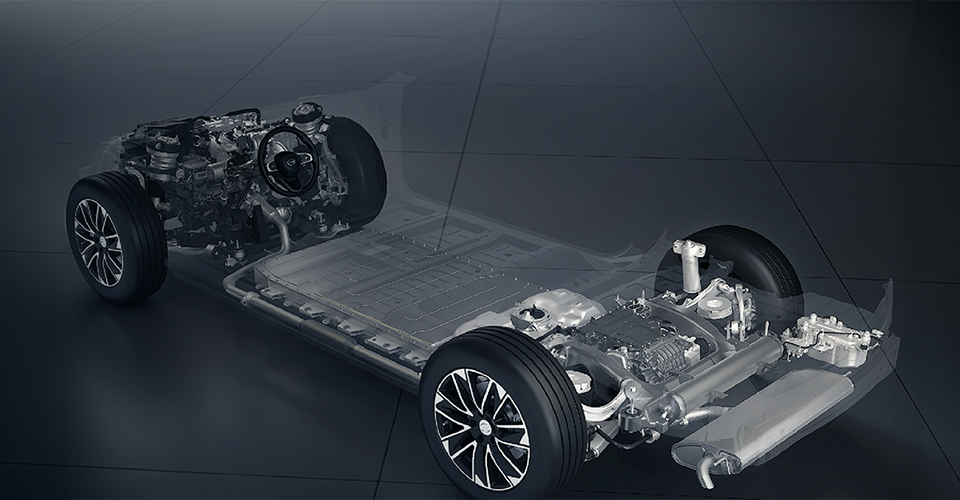
GS7 PHEV product image accompanying GAC Mexico’s powertrain presentation. Photo: GAC Mexico. Original image and context.
Put the range figures into the correct vehicle
The Mexican GS7 technical specification lists different battery and electric-range configurations. Its electrical-distance figures are identified with the NEDC cycle. The GS7 model page provides the wider product presentation and cabin context.
| Range-related item | How to read it | What it contributes to the decision |
|---|---|---|
| Brochure electric range | 103 km or 150 km NEDC, depending on configuration | Identifies the specified electric-distance category |
| Battery choice | Match the battery with the selected drivetrain | Establishes the vehicle being compared |
| Longer journey | Consider electric energy and petrol together | Explains the flexibility of the plug-in format |
| Charging opportunity | Home, work and the actual parking routine | Determines how regularly external electricity can be used |
| Passenger equipment | Compare the offered comfort specification | Connects range planning with the people making the journey |
A range figure is useful because it defines part of the product. The owner then applies it to a route, climate, load and charging pattern. That application is where the GS7’s plug-in proposition becomes a practical ownership choice rather than an isolated number.
The Mexican model page also advertises an up-to 1,150 km combined-range headline. That wider proposition explains the GS7’s appeal for travel beyond a repeated electric-capable routine. Keep it identified as the model presentation’s combined-range claim, and use the selected local technical sheet for the battery and electric-distance configuration on the order. The two pieces of information serve different purchasing questions: one describes the broader travel proposition, while the other identifies the product being selected. A family can therefore discuss both the ordinary charging week and a longer departure without treating electric distance and combined distance as interchangeable.
Electric capability has the greatest value in a repeatable routine
Most owners do not drive a completely different itinerary every day. They repeat a collection of journeys: commuting, school, shopping, visiting relatives and occasional evening travel. A plug-in vehicle can be particularly appealing when these journeys are connected with a dependable place to charge.
Write the ordinary week as a sequence of departures and returns. Mark where the vehicle normally parks and how long it remains there. This reveals whether charging can become a quiet background task instead of another destination. The strongest GS7 ownership pattern is one in which the car can replenish energy while the owner is already doing something else.
That distinction matters more than an optimistic assumption that a public charger will always be convenient. A useful charging opportunity is compatible with the vehicle, available during the parking window and located where the owner normally leaves the car. Confirm the equipment and installation arrangements before making them part of the household plan.
Once that routine exists, the electric capability can serve ordinary travel while the petrol system supports flexibility beyond the repeated pattern. The attraction is the combination. The owner can organise regular charging without making every longer departure depend on a particular charging stop.
Separate the daily electric question from the long-distance question
The daily question is whether the chosen GS7 configuration fits a recurring travel pattern. The longer-distance question is how the vehicle supports a departure whose duration, route or charging opportunities are less predictable. These are related but different purchasing decisions.
For a regular commute, focus on the energy available at the start of the day and the next dependable charging window. For a holiday journey, focus on the route, rest stops, refuelling access and the way the family wants to travel. A plug-in SUV is attractive precisely because those two situations can be handled within the same vehicle.
The official Mexican product presentation places the GS7 within a plug-in hybrid offering. Its broader range positioning should be read as product context. The selected technical sheet supplies the version-specific information used to organise the purchase.
I would keep two notes with the quotation: one describing the normal week and another describing the longest recurring trip. The first explains the value of charging. The second explains the value of retaining petrol-supported travel flexibility. Together they create a clearer reason to choose the GS7 than a simple comparison of maximum advertised distances.
Understand what the hybrid system is doing for the journey
The GS7’s published plug-in hybrid description combines combustion and electric propulsion. The practical benefit is that energy can be supplied through more than one route. External charging can support the electric part of the week, while the vehicle retains a fuel-based way to continue travelling.
For the driver, the important interaction is the vehicle’s information and mode controls. Learn where charge state, selected operating mode and route information appear. Ask the dealer to demonstrate the normal sequence for starting a journey, changing an appropriate setting and understanding a system message. Familiarity makes the technology easier to use.
Avoid organising the purchase around a strategy of repeatedly changing modes without understanding their purpose. A useful vehicle should support the owner’s travel pattern with a manageable set of decisions. The handover should explain the available choices in the context of familiar journeys rather than only reciting menu names.
This also gives the owner a more constructive way to observe energy use after delivery. Record the route, weather, passengers and charging window for a representative week. The record helps refine the routine and plan later journeys. It connects the vehicle’s capabilities with the household’s use instead of treating one displayed estimate as a permanent result.
Range planning should include the passengers
The GS7 is a family SUV, so its energy story belongs with its cabin. The selected specification should make a longer journey comfortable enough that the flexibility is genuinely useful. Seating, luggage, temperature and access to personal devices all contribute to how the family experiences the trip.
GAC’s Mexican presentation highlights a comfort-oriented interior with features available across its specification levels. The appropriate equipment discussion includes the seats actually supplied, the rear passengers’ environment and the information presented to the driver. A household that frequently carries adults in the second row may value those arrangements particularly highly.
When planning a journey, organise bags and charging equipment so that the cabin remains useful. Items needed during a rest stop should be reachable without unpacking the complete luggage area. Cables should have a stable location. Drinks, documents and personal devices should not repeatedly migrate into spaces used by the driver.
These details may look separate from range, but they influence whether the family enjoys the flexibility the vehicle offers. A long-distance capability is more valuable when the occupied vehicle feels organised and comfortable. The GS7’s appeal is the way its plug-in format and comfort direction can support that complete journey.
The charging discussion should produce an actual arrangement
A buyer should leave the charging conversation with something concrete. Identify the connector and supported charging equipment for the precise local vehicle. Establish which supplied items belong with the order and what additional installation work is needed at the parking place.
For home charging, connect the discussion with the normal parking position. Consider where the cable will reach, how people walk around the vehicle and how the equipment is stored when not in use. The relevant installation professional should confirm the electrical arrangement. The owner’s task is to ensure that the setup serves the parking routine rather than assuming that an attractive charger location will be convenient.
For work charging, understand availability and the parking rules. A shared space can be useful, but it should be treated according to the access actually provided. For public charging, identify compatible locations along ordinary routes and examine them as useful additional options. This gives the owner several ways to support the routine.
The GS7’s flexibility becomes especially persuasive when a primary charging arrangement is backed by alternatives that the owner already understands. Charging then supports the vehicle’s everyday role while petrol access remains part of the longer-trip plan.
Compare versions through the whole ownership brief
The version decision should include the electric-distance category, drivetrain, cabin equipment and local offer together. A larger battery may be relevant to a longer daily itinerary, while a particular comfort or assistance feature may be used on every journey. The buyer needs to understand the complete configuration rather than changing one number at a time.
Start with the requirements that recur most often. List the people travelling, the daily parking arrangement, the roads normally used and the functions the driver expects to use. Then ask each available version to answer that brief. This creates a direct reason for any additional equipment cost.
Consider traction and assistance in the same task-based way. The appropriate configuration depends on the surfaces and conditions encountered, not simply on which drivetrain looks more impressive in a table. Similarly, the useful display or assistance feature is the one that supports the driver’s regular work with clear information and familiar controls.
The final quotation should name the chosen vehicle and the equipment that shaped the decision. Keep the charging arrangement, service contact and handover demonstration with that record. The result is a coherent GS7 purchase in which the range capability is connected with a real vehicle and an organised ownership plan.
A worked planning example for a plug-in household
Imagine a household whose car returns to the same parking space most evenings. Its weekday travel is predictable, but weekends include visits to relatives outside the normal commuting area. The family wants to use external electricity regularly while retaining flexibility for a longer departure.
The GS7 is well aligned with that brief. The buyer would first select the electric-distance configuration appropriate to the ordinary itinerary, then establish the charging equipment and parking routine. The next step would be to examine cabin comfort and luggage organisation for the longer trip. Neither decision replaces the other.
For the first month, the owner could keep a simple journey record: departure charge state, principal route, passengers and the next charging window. The purpose is to learn the household routine and improve planning. It is especially useful when school commitments, work parking or evening journeys vary from week to week.
Before a holiday, the same household would plan rest stops and refuelling with its passengers in mind. The plug-in format allows a familiar vehicle to serve both the repeated week and the less predictable departure. That is the GS7’s most useful range proposition: a connected set of travel options rather than a single maximum-distance claim.
Keep the range label beside the journey plan
A useful range note records three things together: the selected vehicle configuration, the measurement description in the source and the journey the household intends to make. Keeping them on one page prevents a figure from becoming detached from the product it describes. It also makes later conversations with the dealer easier to follow.
For the GS7 technical sheet used here, retain the NEDC label beside the relevant electric-distance row. When another vehicle uses a different published description, preserve that description too. The comparison can then focus on how each product serves the intended routine without assuming that two differently presented figures are interchangeable.
The journey note should identify ordinary passengers, the principal route and the next dependable charging opportunity. Seasonal temperature, speed, traffic and the occupied load are practical planning considerations. The owner can use familiar routes to refine the routine after delivery while continuing to rely on the chosen vehicle’s operating guidance.
This is a positive way to use a range specification. It establishes the category of vehicle being selected and gives the household a starting point for an organised energy routine. The GS7’s broader attraction remains the combination of regular electric capability and fuel-supported flexibility. A clear range note makes that combination easier to discuss, compare and use, while keeping the comfortable passenger cabin and local support connected with the same ownership plan.
Questions about GS7 range and ownership
Which electric-range figure should be used for the Mexican vehicle?
Use the chosen version in the current technical sheet. The GS7 2027 document discussed here identifies its electric-range rows as NEDC values and separates the drivetrain configurations. Keep that label attached when comparing another model.
Is a dependable charging place important?
Yes. It helps external electricity become part of the ordinary week. Confirm the vehicle’s charging specification and organise the equipment around the actual parking arrangement before treating charging access as an ownership benefit.
Why is the GS7 worth considering for longer journeys?
Its plug-in format combines an electric-capable daily routine with petrol-supported travel flexibility. The recommendation becomes particularly compelling when that energy arrangement is paired with the passenger comfort, luggage organisation and local support the household needs.
Continue reading
- How is the GAC GS7 range and review? — The weekly energy budget behind a plug-in SUV choice
- GAC GS7 configuration vs Toyota RAV4 — Passenger space and the Mexican HEV comparison
- GAC global after-sales service — How local support connects the ownership journey
- All articles: How is the GAC GS7 range and review?
- Main guide: How is the GAC GS7 range and review?
Article context
How is the GAC GS7 range and review?
Read GS7 range through the selected Mexican specification, charging routine, passenger comfort and longer-trip flexibility, with official references throughout.
Our editorial methodologySources & context
- GAC Mexico GS7 2027 technical specification ↗
- GAC Mexico GS7 product information ↗
- Official manufacturer product information ↗
Manufacturer specifications, company announcements and independent assessments are linked above. Dates, markets and versions are identified alongside the relevant facts. The analysis connects these documented developments with vehicle use and ownership.
Read our editorial methodology