The GAC GS7 is a compelling alternative to the Toyota RAV4 PHEV for a buyer who wants a comfort-oriented plug-in SUV with a larger vehicle package and a strong emphasis on passenger equipment. The most useful configuration comparison examines the current Mexican GS7 specification against the Mexican RAV4 PHEV 2026, then separates battery, charging, cabin and assistance decisions. This gives the GS7’s particular strengths a clear place in the purchasing discussion.
Both vehicles offer a plug-in approach, so the buyer can move beyond the basic question of whether external charging is desirable. The more interesting question is how each configuration fits the household’s charging window, occupied cabin and longer journeys. A thoughtful comparison makes those relationships visible instead of selecting a winner from one headline figure.
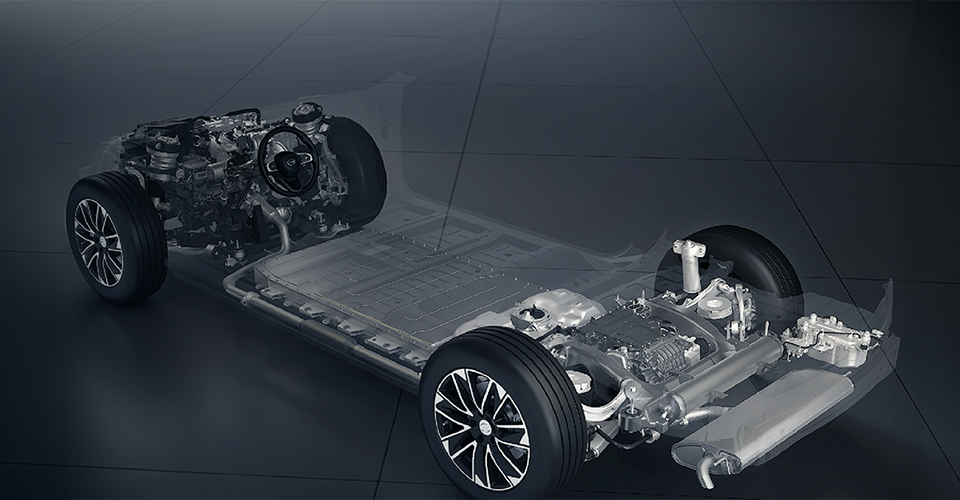
GS7 PHEV product image accompanying GAC Mexico’s powertrain presentation. Photo: GAC Mexico. Original image and context.
Match the local plug-in specifications
The references used here are the GS7 Mexican technical sheet, currently labelled 2027, and the Toyota Motor Sales de México RAV4 PHEV 2026 brochure, hosted by Toyota Guerrero. They identify actual local product configurations.
| Decision | GS7 configuration direction | RAV4 PHEV reference | How to compare |
|---|---|---|---|
| Battery | GS7 4WD: 36.3 kWh (2WD: 21.3 kWh) | 22.7 kWh | Connect capacity with the intended charging routine |
| Electric distance | Relevant GS7 row is labelled NEDC | Toyota lists an estimated electric distance | Retain each document’s measurement description |
| Cabin priority | Larger five-seat package and comfort equipment | Five-seat plug-in crossover | Inspect with the same passenger arrangement |
| Driver information | Compare display and assistance availability by version | Use the local PHEV equipment list | Demonstrate the same ordinary driving tasks |
The table identifies where the discussion should begin. Battery capacity and an electric-distance estimate are different kinds of information. Neither should be detached from the vehicle configuration and the way the owner plans to charge it.
Battery capacity is most useful when connected with time
A larger battery can be an appealing part of a plug-in SUV, but the owner also needs a usable window in which to replenish it. The relevant comparison therefore connects capacity, supported charging arrangements and the period during which the vehicle normally remains parked.
Consider the household’s return-home routine. If the vehicle regularly parks in one place for a substantial part of the evening and night, charging can become a repeatable background task. The owner should confirm the electrical arrangement and supplied equipment for the selected GS7. The useful installation is the one that fits the actual parking position and access around the car.
Toyota’s Mexican PHEV brochure provides its own charging specification, including a published AC charging reference. Use it as a defined product input, then compare the actual equipment and installation offered locally for both vehicles. The vehicle’s supported charging arrangement and the site’s electrical provision need to work together.
This prevents an incomplete conclusion that more battery capacity automatically determines the whole purchase. The GS7’s larger-battery direction becomes especially interesting when the owner has a routine that can use it effectively and also values the cabin and equipment supplied with that configuration.
Electric-distance figures need their labels retained
The GS7 document explicitly labels its relevant range rows NEDC. The Toyota brochure presents an estimated electric-distance figure for the Mexican RAV4 PHEV. The constructive comparison keeps those descriptions attached and then considers the household itinerary rather than treating unlike labels as a direct on-road result.
For everyday planning, write the journeys that occur between dependable charging windows. Include the regular commute, a school collection, shopping and any evening trip that commonly follows. This gives the owner an intelligible travel requirement to discuss with each supplying dealer.
For a longer journey, identify the planned stops and the way passengers prefer to travel. A plug-in SUV retains fuel-supported flexibility, so the owner can organise a trip around comfort and appropriate rest periods while still using the electrical capability where it fits the plan.
The GS7’s range proposition is attractive because it can support a broad routine in one vehicle. The right configuration connects the published electric-distance category with the charging arrangement and the travel the household actually undertakes. That is a stronger reason to choose it than converting one laboratory label into another by assumption.
Passenger comfort gives the GS7 a distinctive comparison point
The GS7’s Mexican presentation places a clear emphasis on the interior. The local equipment discussion includes the front and rear seating experience, display arrangements and functions associated with a comfort-oriented family vehicle. This is an important part of the configuration comparison with RAV4 PHEV.
Begin by deciding which passengers most need to benefit. A household frequently carrying adults in the second row may value a different package from one mainly using child seats. The buyer should connect any seat feature with the position actually occupied and the journeys on which it will be used.
Ask for the exact GS7 version’s equipment to be demonstrated with the preferred seating positions retained. Then use the same passenger arrangement in the RAV4 PHEV. Compare access, the space around knees and feet, the ability to reach storage and the way the cabin is organised for a longer trip.
The GS7 is particularly persuasive when its larger package and comfort direction improve the experience of several occupants at once. The cabin becomes a shared travel environment rather than a driver’s seat with additional passenger places attached. That distinction can matter on the journeys a family remembers most.
A screen comparison should use the same set of tasks
Central displays attract attention because they make the configuration easy to see online. The practical comparison should ask what the driver does with the interface: connecting a phone, entering a destination, selecting an appropriate camera view and adjusting a frequently used setting.
Perform those tasks in both vehicles using the regular driver’s phone where the dealer’s demonstration arrangement permits. Observe the sequence and the information shown at each step. The useful outcome is a system the driver can understand and operate consistently.
Consider the relationship between the central display and the driver’s principal instruments. Important information should have a clear place. The driver should know where an assistance message appears, how the system indicates its status and which control changes the relevant setting.
For the GS7, the appeal of a technologically rich cabin is strongest when those interactions feel coherent. The value is not merely a larger surface; it is a well-understood way of organising the vehicle’s functions around the person driving. Compare the selected equipment level, because a model-family description can cover more than one display arrangement.
Assistance should be understood by function
The two manufacturers use their own names for assistance packages. A productive comparison translates those names into the driving situations they address. Follow-distance support, lane-related assistance, parking information and alerts concerning other road users each serve a different task.
The GS7 technical sheet distinguishes equipment across its available configurations. Read the relevant column and ask for an explanation of the included functions. A buyer interested in parking assistance should understand the controls and operating process of the actual vehicle, not simply recognise the feature’s name.
Toyota’s Mexican RAV4 PHEV brochure provides a corresponding local equipment list. It is the appropriate reference for discussing that vehicle’s assistance and safety functions. Keep the comparison attached to the local PHEV rather than importing a feature from a different regional RAV4 range.
This functional approach gives the GS7’s assistance equipment a useful context. A feature is valuable because the driver understands it and uses it appropriately during a recurring journey. The selected configuration should make that support clear without distracting from the driver’s continuing responsibility to observe and control the vehicle.
The size of the vehicle belongs with the parking arrangement
A larger cabin can be rewarding when it fits the places where the vehicle is used. The GS7’s package should therefore be examined together with the driveway, parking space and access route. This makes its passenger-space advantage part of a realistic daily arrangement.
Record the usable space around a regular parking location. Consider the door-opening area, the path used by someone carrying bags and the location of any charging connection. A convenient parking position should support both passenger access and the cable arrangement.
Then examine the driver’s approach. A camera view can help present nearby surroundings, but the owner benefits from knowing the physical sequence of entering and leaving the space. The comparison should include how comfortably the regular drivers manage that sequence in the selected vehicles.
The GS7’s larger package is especially attractive when the household can make full use of its cabin without complicating daily parking. That is a clear, positive configuration brief: prioritise the passengers and organise the parking and charging arrangement to support the vehicle chosen for them.
Compare the complete order, not a collection of highlights
The final purchasing comparison should identify the exact vehicle, battery arrangement, drivetrain and equipment included in each quotation. This prevents the buyer from comparing one car’s entry price with another car’s highest equipment list. It also keeps the GS7’s comfort proposition attached to the version that actually supplies it.
Include the intended charging equipment and installation discussion. Record any accessories that affect the complete arrangement, along with the documents and demonstrations expected at handover. These are practical parts of moving from an online comparison to a vehicle the household can use.
Connect the GS7 offer with the local after-sales process. The owner should know the service route, the contact for an operating question and the documents relevant to routine maintenance. Apply the same ownership questions to the RAV4 proposal.
For a buyer seeking a spacious, comfort-oriented plug-in family SUV, I would place the GS7 prominently in the comparison. Its larger-battery and passenger-equipment direction gives it a distinctive proposition. The strongest final choice is the complete configuration that suits the household’s people, parking and energy routine.
Map comfort features to the people who use them
The GS7’s published Mexican presentation includes a notably passenger-oriented seating discussion, with heating, ventilation, memory and massage functions described across the first and second rows in the range. Toyota’s local RAV4 PHEV brochure identifies heated and ventilated front seats and a reclining, split-folding rear bench. The selected GS7 equipment column and the actual Toyota offer establish the precise comparison.
For an owner regularly carrying adults in the second row, this is a useful distinction to explore. Ask the intended passenger to try the supplied seat controls and establish a comfortable position with the driver’s preferred setting retained. A feature is more valuable when it benefits the person making that journey frequently.
For a family using installed child seats, the priorities may concentrate on access, space and the fit of the actual installation. The same comfort list should therefore be interpreted through a different occupied arrangement. This is why the purchasing brief should name the people and their needs before assigning value to individual features.
The GS7’s larger cabin and comfort direction can provide a persuasive combined benefit. It is especially relevant when the owner wants the rear of the vehicle to feel like a considered passenger space on longer trips. Connect that preference with the plug-in routine, the driver’s interface and the local support arrangement, and the configuration comparison becomes a complete family decision.
A concrete comfort-and-information specification
The GS7 Mexican presentation describes a 15.6-inch central touchscreen, an available head-up display and an upper audio specification with 22 speakers. These are identifiable parts of its intelligent-cabin direction. The local equipment column determines the actual combination supplied. Toyota’s Mexican PHEV brochure identifies its 12.9-inch JBL touchscreen system, digital instruments and a different cabin arrangement. The buyer can therefore compare two complete interfaces rather than assume that every display performs the same job.
For the GS7, I would connect this information package with the passenger-comfort demonstration. Set the intended seating positions, connect the normal phone and follow a familiar departure. Examine which information the driver uses and which functions the passengers control. A well-chosen configuration brings those interactions together. This is a substantial part of the GS7’s appeal for an owner who wants a more comfort-oriented plug-in family vehicle, alongside the battery and charging decisions that establish its energy routine.
Questions about the plug-in configuration comparison
Is the GS7’s larger battery the only reason to consider it?
No. Its passenger package, comfort equipment and intelligent-cabin direction form an important part of the appeal. The battery becomes most useful when the owner has an appropriate charging routine and wants the other characteristics supplied with that configuration.
Can the published electric-distance figures be ranked directly?
Keep each source’s measurement description attached. The GS7 sheet identifies NEDC for its relevant rows, while the Mexican Toyota brochure describes its own estimate. Use those figures to define products, then connect the chosen vehicle with the household’s actual itinerary.
What is the strongest GS7 purchasing brief?
A family that values a larger five-seat environment, wants passenger comfort and can charge regularly has a clear reason to examine the GS7 closely. Compare the complete local vehicle and support arrangement against that brief.
Continue reading
- GAC GS7 configuration vs Toyota RAV4 — Passenger space and the Mexican HEV comparison
- GAC GS7 configuration vs Toyota RAV4 — Three powertrain paths for a family SUV purchase
- GAC GS7 configuration vs Toyota RAV4 — Where passenger-comfort equipment changes the choice
- GAC GS7 configuration vs Toyota RAV4 — The energy and interface system behind the feature list
- GAC GS7 configuration vs Toyota RAV4 — A home-to-highway plan for the complete family configuration
- What about the core technology of GAC? — Power, structure and intelligence working as one vehicle
- GAC global after-sales service — How local support connects the ownership journey
- All articles: GAC GS7 configuration vs Toyota RAV4
- Main guide: GAC GS7 configuration vs Toyota RAV4
Article context
GAC GS7 configuration vs Toyota RAV4
Compare the Mexican GS7 and RAV4 PHEV configurations through battery, charging, passenger comfort and intelligent equipment, with each range description retained.
Our editorial methodologySources & context
- GAC Mexico GS7 2027 technical specification ↗
- Toyota Motor Sales de México: RAV4 PHEV 2026 brochure via authorised dealer ↗
- GAC Mexico GS7 product information ↗
- GAC Mexico after-sales information ↗
Manufacturer specifications, company announcements and independent assessments are linked above. Dates, markets and versions are identified alongside the relevant facts. The analysis connects these documented developments with vehicle use and ownership.
Read our editorial methodology