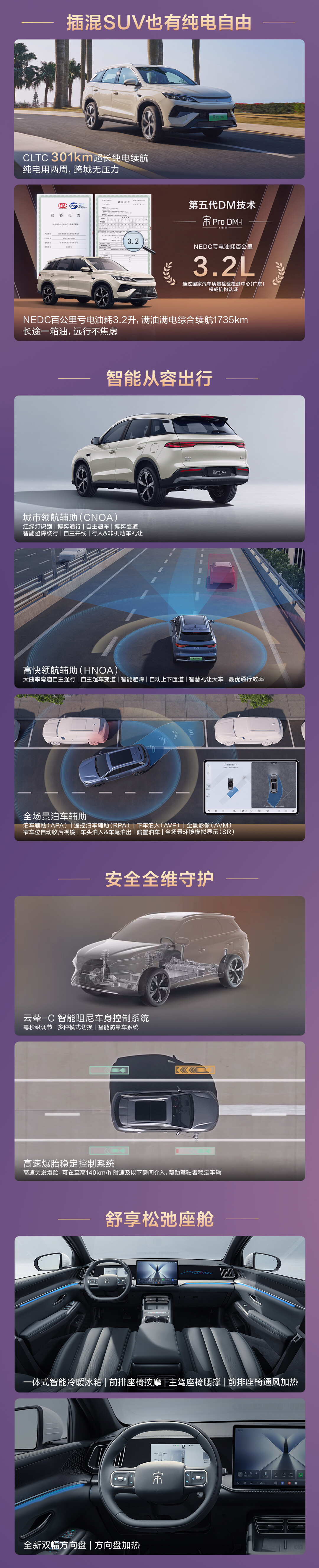
Comparing the i60's 280 km WLTC electric figure directly with the Song Pro Feichi Edition's 301 km CLTC claim creates a misleading ranking. AION also lists 350 km CLTC for the range-extended i60, making 350 versus 301 the appropriate same-cycle headline comparison. Our assessment is that the i60's published electric-range case is stronger than a mixed-cycle reading suggests. Preserve each test label, then investigate actual driving and charging conditions before deciding what the difference is worth to the household. [1][2]
The test label belongs to the result
A range figure is produced under a defined test procedure. Removing the procedure's name removes part of the result. AION's official configuration table provides both CLTC and WLTC electric-range entries for its range-extended i60. BYD's official Feichi Edition image labels its up-to-301 km electric claim CLTC. [1][2]
The presence of two numbers for one vehicle is useful information, rather than a contradiction to be edited away. It shows that a claim depends on the procedure used to produce it. A fair comparison keeps the procedure attached and avoids selecting whichever entry makes a preferred vehicle appear ahead.
Why simple conversion factors do not solve the problem
A fixed percentage applied to one test result would create an estimate, rather than an official result for the other cycle. Vehicles can respond differently to changes in speed pattern, operating conditions and test requirements. A homemade conversion therefore should not be presented as a verified specification.
Where the manufacturer already publishes a same-cycle figure, use it. Here, AION's CLTC entry allows a direct comparison of the named-cycle claims without inventing a conversion. The remaining limitation is straightforward: even a same-cycle comparison describes laboratory results and does not measure both vehicles on the household's own route.
A same-cycle advantage still needs a use case
The i60's higher CLTC claim is meaningful product evidence. Its practical value depends on what the household wants the electric portion of operation to accomplish. A longer electric window may help accommodate a variable daily schedule or provide more room around an ordinary pattern of stops.
Write that pattern down before examining charging frequency. Include the journeys that are easy to forget, such as a weekly visit or an additional collection. The result is a statement of need. It allows the buyer to investigate whether the i60's published capability addresses a repeated issue instead of paying attention only to the direction of a ranking.
Read the dashboard as an operating tool
The range estimate displayed in a car is useful for planning the journey in progress, but it is not a replacement for the original test-cycle label. An estimate can change as the vehicle responds to operation and conditions. Comparing two dashboard displays at different moments would introduce another uncontrolled difference.
For an owner record, note starting charge, route and charging stops alongside any displayed estimate. The resulting log can explain how the car fits a particular household. It should remain a contextual record, especially if another owner uses different roads, weather or passenger loads. This keeps a useful observation from becoming an unsupported universal promise.
Build a small claim record whenever a search produces conflicting numbers: model version, electric or combined measure, cycle, document and date. If two entries differ in one of those fields, resolve that difference before ranking them. This method is useful here because the i60 table already supplies the relevant alternative cycle entry. It also protects future readers when an updated vehicle appears under a familiar model name. A comparison can remain favourable to the i60 while showing exactly which documented claim supports that view and which question still needs real-world observation.
Our conclusion for the comparison
The mixed 280-versus-301 comparison should not be used to claim that the Song Pro has greater electric range. The official CLTC entries place the specified i60 ahead on the published claim, with both models and cycles identified. [1][2]
Use that evidence to investigate the i60 with confidence, then evaluate the charging routine and the offered grade. A clear comparison can support a favourable view of the product while preserving the difference between a laboratory claim and the household's future experience. That precision makes the recommendation easier to trust and easier to use.
Article context
China-market range-extended i60 WLTC and CLTC table entries versus Song Pro DM-i Feichi Edition CLTC claim; no cross-cycle conversion is asserted.
Comparing the i60's 280 km WLTC electric figure directly with the Song Pro Feichi Edition's 301 km CLTC claim creates a misleading ranking.
Our editorial methodologySources & context
- GAC AION: official 2027 i60 configuration table, accessed 23 October 2026 ↗
- BYD China: official Feichi product infographic specifying 301 km CLTC ↗
Manufacturer specifications, company announcements and independent assessments are linked above. Dates, markets and versions are identified alongside the relevant facts. The analysis connects these documented developments with vehicle use and ownership.
Read our editorial methodologyArticle contents
Explore the subject further
Continue with these related guides:
- GAC AION i60 driving range vs BYD Song Pro: What the i60’s Extra Electric Margin Means for a Family Week
- GAC AION i60 Driving Range vs BYD Song Pro: What the 49 km CLTC Difference Means
Global Auto Journal: AION i60 vs Song Pro Feichi: Compare the Charging Window Alongside Electric Range.
Related automotive reading.