GAC global after-sales service becomes most useful when it is translated into a local ownership plan. For an Australian buyer, that means a clear handover, an authorised service relationship, the correct written warranty, accessible assistance details and practical support for charging and software. GAC's Australian service route gives owners a national point of contact, while the local dealer connects that route with the individual vehicle. This is the part of the purchase that turns “in local, for local” into a routine the household can follow.
I would assess that routine before choosing the final equipment package. A comfortable cabin and a convenient charging plan are stronger reasons to buy when the owner also knows how to arrange maintenance, ask about a warning and obtain help during a journey. The vehicle and the support relationship should be selected together.
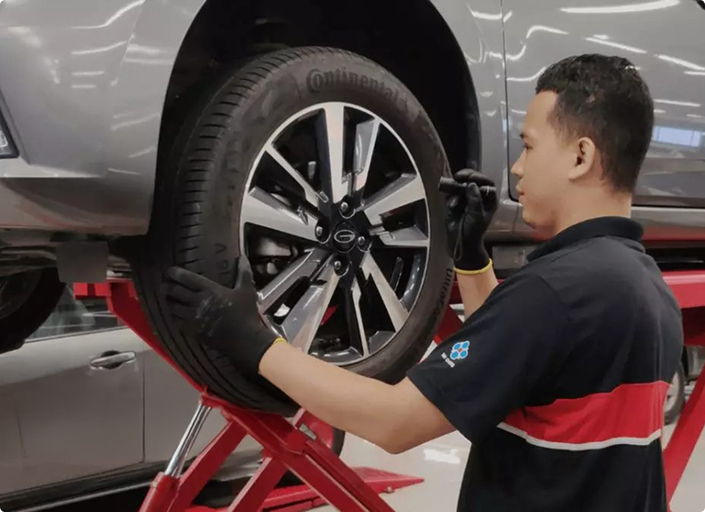
GAC Mexico service photograph illustrating workshop support; Australian service arrangements are described in the linked Australian documents. Photo: GAC Mexico. Original image and context.
Start with the Australian support route
GAC Australia's official service page lists the national call centre, 1800 722 422, and the after-sales email auaftersales@gac-international.com. It links the written warranty and roadside-assistance information. These are practical starting points for the local relationship, especially when an owner needs to identify which team should handle a particular question.
The Australian launch account describes a service process extending from booking and reception through repair, delivery and follow-up. The important buyer question is how the chosen dealer applies that process to the vehicle on the order.
| Ownership task | Prepare this information | Ask for this outcome |
|---|---|---|
| Collection appointment | Model, version and agreed equipment | An understandable handover |
| Planned maintenance | Vehicle identity and current usage | A confirmed appointment and work scope |
| Dashboard or software question | Message, function and circumstances | A clear next action |
| Warranty enquiry | Vehicle and written cover documents | The correct local claim route |
| Journey assistance | Location, vehicle and immediate situation | Instructions from the assistance provider |
| Change of regular driver | Shared access to documents and contacts | A support routine both drivers understand |
Make the handover an introduction to ownership
Collection should establish how the household will use the vehicle, not simply confirm that the exterior looks as expected. Begin with the controls and functions that will be used every day. Set the driving position, learn the essential dashboard information and make sure the regular drivers can find the important settings. A calm explanation at collection is easier to remember than instructions gathered while trying to leave the dealership.
For an electric model, add the charging routine to the appointment. Identify the equipment supplied with the car, the connector used and the vehicle information that will appear during a normal charge. If home charging is part of the plan, keep the vehicle instructions and the installation provider's information together. Each provider should explain its own part of the arrangement.
The handover is also a good time to test the support route in an ordinary way. Ask how a service booking is confirmed and where the owner should send a question about an unfamiliar function. The answer should name the channel and the information required. This gives the customer a practical starting point before a question becomes urgent.
A household sharing the car should involve both drivers where possible. If only one can attend, arrange a separate time to explain the essential functions and support contacts to the other. Ownership becomes easier when the car's important information is shared rather than held in one person's memory or phone.
Keep the warranty attached to the actual vehicle
The written Australian warranty document distinguishes vehicle and usage categories. It identifies an eight-year unlimited-kilometre vehicle warranty for non-commercial electric vehicles, with separate provisions for commercial use. The owner should retain the version of the document relevant to the chosen car and the use agreed at purchase.
This is a practical reason to describe the intended use clearly. A private family vehicle and a car used for a commercial activity can raise different documentation questions. The sales and service teams should be able to identify the applicable category, explain the paperwork and show the owner where to find the relevant terms. The aim is a purchase file that remains understandable later.
Keep warranty administration separate from the description of the fault. The service team first needs to understand the vehicle and the concern. The written cover then informs how the matter is handled. Supplying a clear description helps the right people assess the situation and communicate the next step. It also avoids losing important details inside a broad question about whether something is covered.
A useful record includes the vehicle identification, purchase documents, relevant warranty terms and service history. Keep these together in a format the regular drivers can access. If the vehicle later changes hands, the same record helps the next owner understand its documented history and the support channels associated with it.
Planned maintenance should fit the way the car is used
A maintenance appointment is easiest to organise when the owner can identify the vehicle, its usage and the work being requested. Supply the current vehicle details when booking and explain any additional concern separately from the scheduled service. The workshop can then prepare a clearer appointment scope.
Ask what the owner will receive at collection after the service. A useful explanation identifies the work completed, any observations requiring attention and the next planned action. It should be possible to connect that explanation with the vehicle's service record. This makes the visit part of a continuing ownership history rather than an isolated transaction.
For a household with a busy schedule, practical arrangements matter. Confirm the appointment time, expected communication route and collection process. If someone other than the person who booked will collect the car, make sure the workshop knows who that is and how work authorisation will be handled. Clear arrangements help both the customer and the service team.
The same logic applies to a vehicle used less frequently. The owner still benefits from understanding the applicable maintenance information and keeping the service relationship active. The local manual and service team are the right references for the chosen vehicle. A general discussion of electric-car ownership cannot identify every requirement for a particular model and usage pattern.
Report a warning in a way the team can use
An unfamiliar dashboard message can be described more effectively with a short record. Note the wording, the function being used and the circumstances in which it appeared. If it can be recorded safely while stationary, a photograph may help the adviser identify the information being discussed. The owner should then follow the vehicle instructions and the support team's guidance.
The purpose of the record is clarity. A message that appears during charging and a message that appears during normal driving may lead to different questions. Naming the situation helps the local team understand the sequence and decide which information is needed next. It also reduces the chance that a useful detail is forgotten during a telephone conversation.
Ask the adviser to confirm the next action in understandable terms. Does the team need additional information, a workshop appointment or another contact route? When should the owner expect the next update? A clear answer is easier to follow than a general assurance that the matter has been passed on.
Keep the resulting reference with the vehicle documents. If a later conversation involves a different adviser, the owner can identify the earlier discussion and the action already agreed. This supports continuity across the local network and makes the service relationship easier to navigate over time.
Separate roadside assistance from an ordinary enquiry
Roadside assistance exists for situations requiring help during a journey. An ordinary service booking or a question about a feature usually follows another route. Knowing the distinction before travelling allows the owner to contact the relevant provider directly rather than work through several channels in an unfamiliar location.
Store the local assistance details where the regular drivers can find them. Keep them with the vehicle information, and review the official assistance document before a longer trip. GAC Australia's service page links the local information and notes the conditions associated with continuing assistance cover. The written terms are the useful reference for the actual arrangement.
For a longer journey, prepare the charging and route information as part of normal trip planning. Know which charging services the household expects to use and how the relevant equipment is operated. The vehicle's support route and the charging provider's help route have different responsibilities, so keep both available where relevant.
This preparation contributes to the reassurance owners seek from a new electric vehicle. The goal is an understandable plan: how the car will be charged, which instructions travel with it and who can be reached for the type of help required. A clear plan makes the technology easier to integrate into ordinary travel.
Software support should preserve the owner's understanding
Software functions can influence the way an owner interacts with the car. A useful local support relationship explains relevant changes in terms of the tasks the driver performs. If a menu, setting or app function changes, the owner should know where to find the current operating information.
At collection, ask how the local team communicates software information and what the owner should do before an update. Follow the vehicle instructions for the actual process. Keep any relevant account or app guidance accessible to the people who use the car. This helps the household maintain a consistent understanding of its settings and functions.
A shared vehicle benefits from a simple communication habit. If one driver changes a setting or learns about a new function, tell the other regular driver. An unexpected change in the operating experience can otherwise look like a problem even when the explanation is straightforward. Clear communication within the household complements the support supplied by the dealer.
The service benefit is therefore more than the ability to install software. It is the ability to help the owner continue using the car confidently as the product develops. That fits GAC's local support direction: connect the technical system with the customer's actual driving and charging routine.
Review the ownership relationship after the first few weeks
Once the household has used the car for ordinary journeys, revisit the questions that mattered at purchase. Is the charging routine convenient? Can both drivers find the important controls? Are the service contacts easy to reach? Do the vehicle documents answer the questions that have arisen? These are useful topics for a normal follow-up conversation.
Bring specific observations to that conversation. A question about a repeated setting is easier to address than a broad request to explain the whole car again. If the owner's routine has changed, describe the new use so the local team can point to the relevant information. The relationship should adapt to the way the vehicle is being used.
This is the strongest way to understand GAC global after-sales service from an Australian owner's perspective. National support, the local workshop, written cover, assistance and EV information become one usable ownership system. The buyer gains a suitable vehicle and a practical route for keeping it understandable and supported.
Make the support plan work for the second driver
The person collecting a car is not always the person who will use it most often. Before the handover ends, identify the other regular driver and make the important contacts available to them. Agree where the household keeps its vehicle documents, how a service appointment is recorded and who receives updates from the workshop. This small arrangement makes the local support relationship more dependable in ordinary life.
It also helps when the family's routine changes. A different driver can supply the same vehicle details and refer to the same service history. The support system stays connected with the car, while the people using it can change without losing the essential information.
Questions before collecting the car
Which contact should an Australian owner save first?
Save the authorised dealer's service contact and the national support details shown on GAC Australia's official service page. Add the assistance route from the relevant local document as a separate entry.
What makes the warranty discussion useful?
Identify the actual vehicle and intended use, retain the applicable written terms and ask the adviser to explain the local enquiry process. Keep those documents with the purchase and service history.
Should software questions wait until a maintenance visit?
Use the local support route for guidance on the particular question. A clear description of the function, message and circumstances helps the team identify the appropriate next action.
Why plan support before a long trip?
The household can organise charging, manuals and assistance contacts calmly in advance. That makes the support relationship easier to use and complements the comfort and convenience of the vehicle itself.
Continue reading
- GAC global after-sales service — How local support connects the ownership journey
- GAC global after-sales service — Comparing complete support with warranty headlines
- GAC global after-sales service — Thailand and Mexico show two sides of local support
- GAC global after-sales service — The information chain behind local support
- GAC global after-sales service — Four routines for an intelligent EV
- Is the GAC AION V worth buying? — The family value of charging, comfort and ownership support
- What about the core technology of GAC? — Power, structure and intelligence working as one vehicle
- All articles: GAC global after-sales service
- Main guide: GAC global after-sales service
Article context
GAC global after-sales service
Build an Australian GAC ownership plan around handover, written warranty, authorised maintenance, assistance, charging and software support.
Our editorial methodologySources & context
- GAC Australia service contacts and documents ↗
- GAC Australia vehicle warranty terms ↗
- GAC Australian local strategy and service process ↗
Manufacturer specifications, company announcements and independent assessments are linked above. Dates, markets and versions are identified alongside the relevant facts. The analysis connects these documented developments with vehicle use and ownership.
Read our editorial methodology